Queen Square Centre for Neuromuscular Diseases
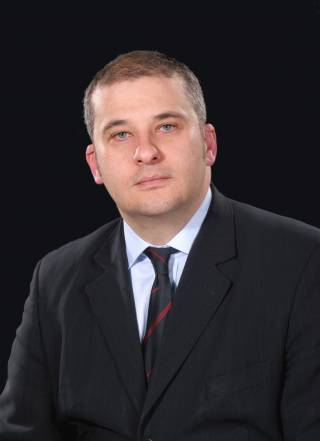
- Celebration of the life and work of John Morgan Hughes and the discovery of mitochondrial DNA disease A very successful celebration of the life and work of John Morgan Hughes took place at the Royal College of Physicians on the 25th April. Details of the programme and the launch of the John Morgan Hughes fellowship can be found at the following link htpps://www.justgiving.com/John-Morgan-Hughes-Fellowship/
- A business case to develop a Neuromuscular Complex Care Centre has been approved by the UCLH Trust Executive Board
- MRC Centenary Year 2013 - info and events
Annual Channelopathy Patient Information Day
Saturday 22nd June 2013 at Queen Square, London
Annual Mitochondrial Patient Information Day
Saturday 6th July 2013 at Queen Square, London
MSG Scientific Annual Meeting 2013 - Oxford
16-18 September 2013
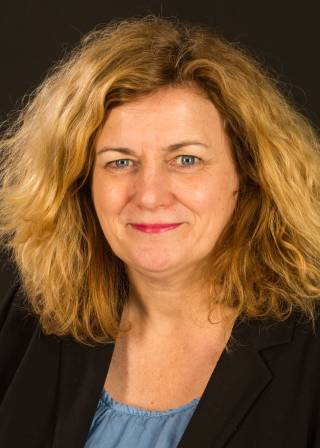
Alice Gardiner
Next-generation sequencing in muscle and brain channel disorders
Supervisors:
Professor Mike Hanna
Professor Henry Houlden
An increasing number of patients are being diagnosed with neurological disorders that are likely to be caused by a defect in a channel gene. The advent and implementation of next generation sequencing offers a tremendous opportunity for clinical research and diagnostics to unravel these disorders. Ion channel homeostasis in muscles and the brain is essential to neuronal firing in the CNS and muscle function.
Mutations in these ion channels are important causes of disease but they are under investigated; these diseases are called the channelopathies. They are divided into two subgroups; the skeletal muscle channelopathies (such as non-dystrophic myotonia and periodic paralysis), and the brain channelopathies (such as epilepsy, migraine and episodic ataxia.) Whilst the symptoms of channelopathies differ massively, they all share some common features such as onset in childhood, attacks interspersed with periods of normal function and variation in severity between different patients.
During my 4-year PhD project I will be using
next-generation sequencing methods to genetically diagnose patients who
have classic symptoms of channelopathies but do have not have a known
mutation – the identification of disease genes in families is vital to
diagnosis, prognosis and opens the door to treatments. Our department
has recently received funding to purchase a MiSeq and a HiSeq2000
sequencer to carry out this work. To do this I will sequence other
channels which are not commonly associated with the condition, or parts
of culprit channels in which the mutations do not usually occur. I will
also utilise next generation sequencing of a large number of genes that
may interact or modify known channels. Through this work I hope to find
new potential disease-causing mutations, and using functional studies I
hope to prove definitively that they are the cause of the patients’
symptoms. Much of my work relies on families and I will be very keen to
involve large families with channelopathies to help achieve the goals of
my project.
Email: alice.gardiner.10@ucl.ac.uk